Bradley Academy Museum
The was the official site for the Bradley Academy Museum.
The content is from the site's archived pages.
Bradley Museum Areas of Interest / Sections / Rooms 1. Underground Railroad Section
|
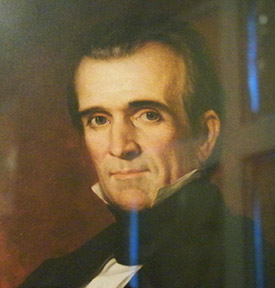
Friends of Bradley Academy Museum There are moments in each of our individual lives and in history which have left a indelible imprint on us all. Such moments tend to anchor us in time, we can readily associate such events with where we were and what we were doing when the event occurred. On the occasion of the celebration of the 200th year of the founding of Bradley Academy, the Board of Directors wishes to invite your attention to this event. This is certainly a once in a lifetime event which deserves to be recognized on a grand scale. Realizing the significance of Bradley Academy reaching its 200th birthday, the Board has decided to host a year long birthday celebration. The contribution of Bradley Academy to this community extends far beyond the immediate geographic area. This institution can boast of nurturing an alumnus who became the 11th President of the United States in 1844, in the person of James K. Polk and educating a generation of individuals emerging from the shackles of slavery. Bradley Academy also has the distinction of serving as a hospital during the Battle of Stones River in 1862. Hours: (Ph) (615) 867-2633 |
"Visiting Bradley Academy for the first time was an eye-opening experience for me. Learning about its foundation due to the Land Grant Act, which aimed to establish schools across Tennessee, was fascinating. What struck me most was the evolution of Bradley Academy: initially serving only white males before becoming the county's first formal educational institution for African American students. The historical significance of having President James K. Polk as one of its alumni added to the aura of the place. Among the exhibits, a photograph caught my attention—a young woman wearing a ring remarkably similar to one my mom owns, made of sterling silver with a cubic zirconia setting - like those in this display. Though cubic zirconia wasn't around back then, the design's apparent longevity piqued my curiosity about its history and prevalence. This visit made me believe that every student should explore Bradley Academy. It's a vital piece of our history, a testament to educational evolution, and a treasure trove of stories that connect us to our past." Jeffrey Peters, Franklin High
"Bradley Academy" (Ph) (615) 867-2633 E-Mail Us [email protected] Proud Member of the Rutherford County Chamber of Commerce
|
Bradley Academy Birthday Celebration
HISTORY
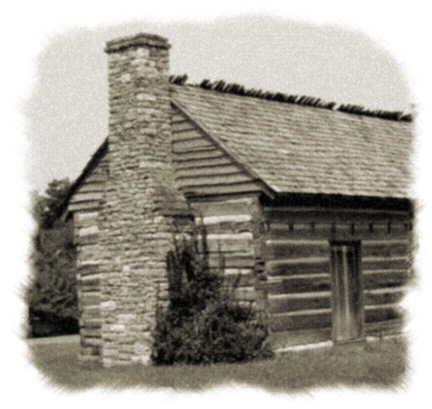
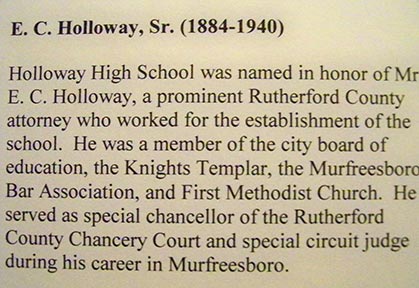
A 200 Year Legacy of Excellence 1809-2009 Bradley Academy has the distinction of being the first school established in Rutherford County. The origin of Bradley Academy as an institution of learning stems from the Congressional Land Grant Act of 1806. In response to this Act the Tennessee General Assembly passed legislation establishing an academy in each of the Counties of Tennessee. It is important to remember that Rutherford County was founded only three years earlier. Recently discovered documents now place the planned opening of Bradley Academy as early as 1809; whereas, several existing documents in the past placed the opening in 1811. The original Bradley Academy building was a small log cabin school near Stones River, near the site of Old Jefferson, the original county seat. The Academy was located on land donated by John Bradley, a Revolutionary War officer; thus, the school name is derived from this benefactor. Bradley Academy soon established itself as a well known institution of learning in the Middle Tennessee community. James K. Polk and John Bell would become some of the early scholars to attend Bradley Academy during this period of time. Both men would later be nominated by their respective parties for the presidency of the United States. James K. Polk was subsequently elected president of the United States in 1844. In the late 1820s or early 1830s, a brick Bradley Academy was built. The building hosted the classes of Union University while that institution’s facility was being constructed on Main Street in Murfreesboro, Tennessee. Bradley served as a hospital during the smallpox epidemic of 1836 and again during the Battle of Stones River in 1862. In 1884, Bradley Academy became the first institution in the county to offer formal educational instructions for African American students. At this time, Bradley Academy had three teachers and a total of 150 students in elementary grades. Years later Bradley would evolve to house both elementary and high school students. The success of Bradley’s academic, athletic, and civic programs renewed African American participation in the education process, thus encouraging enrollment. Recognizing the need for more and better facilities for African American education, the local school board approved the construction of Holloway High School. When Holloway opened its doors in 1928, Bradley once again became an elementary school.
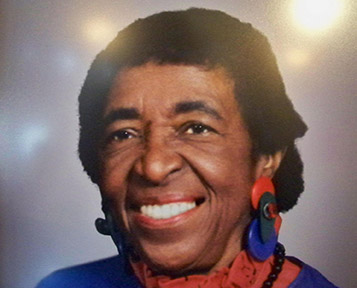
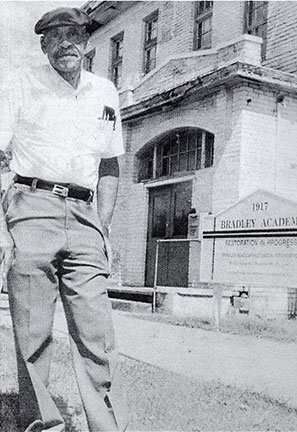
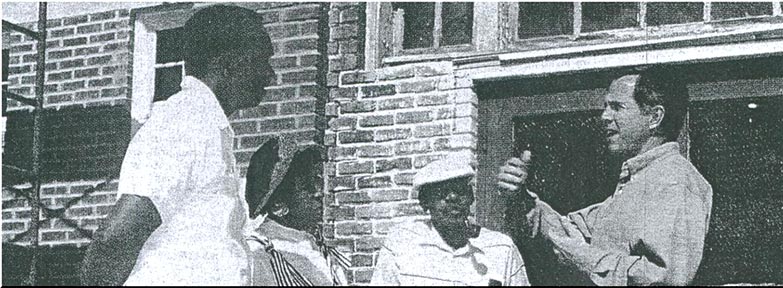
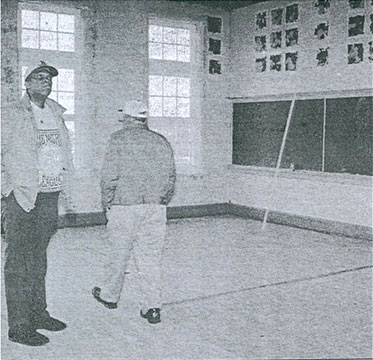
Mrs. Myrtle G. Lord was born in Dilton, Tennessee to Luther and Catherine Glanton on February 14. She was the fourth of nine children. She attended Bradley Academy School first through twelfth grade. Mrs. Lord received a B.S. degree from A and I College in Nashville. She also studied at the University of Michigan, Fisk University and Peabody College. She was a school teacher for 42 years and worked for the recreation department for 52 years. Mrs. Lord was married to John L. Lord. An active member of the Church of God, she served as the treasurer of the Church and Sunday School. She was the chairperson for the Patterson Community Center project, past president of LWV, secretary of ARC, board member of Habitat for Humanity, Bradley Academy Museum, J.C. Beesley Humane Foundation, and Mid-Cumberland Action Agency, a member of the NAACP, and a member of the Rutherford County Teacher's Association. She also received the Lifetime Achievement Award from the Daily News Journal and SunTrust Bank, the Outstanding Award for African-American Women by Imperial Court Daughters of Isis, and was given the community Award for Distinguished Service by the Murfreesboro City Schools. Mrs. Lord also served as the coordinator of the Patterson Community Center. On May 3, 2002, she was inducted into the Tennessee Teachers' Hall of Fame. The "Myrtle Glanton Lord" Library at the Patterson Community Center was named in her honor. After her service on the Bradley Academy Museum Board, she continued to be a friend of the Bradley Museum. Mrs. Lord passed away April 16, 2007. Restoration In Progress
|

More Background On BradleyMuseum.com
BradleyMuseum.com served as the official website for the Bradley Academy Museum and Cultural Center, a historic educational landmark in Murfreesboro, Tennessee. The museum preserves the history of Rutherford County's earliest formal educational institution and documents its transformation from a school originally established for white male students into an important center of African American education, cultural identity, and community life.
The website introduced visitors to the museum's permanent exhibitions, historical collections, educational programs, restoration efforts, and community celebrations. It also provided practical information about admission, operating hours, directions, and opportunities to support the museum. Through historical narratives, photographs, and information about the Bradley Academy Historical Association, the site presented the institution as both a local heritage attraction and a significant chapter in Tennessee's educational history.
Bradley Academy's story spans more than two centuries. Its early students included future United States President James K. Polk and presidential candidate John Bell. During the nineteenth century, the institution also served as a temporary hospital during a smallpox epidemic and the Civil War. Beginning in 1884, it became a major educational institution for African American children in Rutherford County, eventually establishing a legacy that continued through the era of school segregation and the civil rights movement.
Today, the restored Bradley Academy building at 415 South Academy Street operates as a museum and cultural center under the City of Murfreesboro's Parks and Recreation Department. Its exhibitions, historic classrooms, archival collections, and public programs preserve the experiences of generations of students, educators, and community leaders whose contributions helped shape Murfreesboro.
Origins of Bradley Academy and the Early History of Rutherford County
Bradley Academy traces its origins to the educational policies adopted in Tennessee during the early nineteenth century. Following federal land-grant legislation in 1806, the Tennessee General Assembly authorized the establishment of academies throughout the state's counties. Rutherford County, founded in 1803, was still a relatively young jurisdiction when plans for its first formal educational institution began.
Historical accounts differ slightly on the school's earliest dates. Some records identify 1806 as the founding year, while documents discussed in the museum's historical materials indicate that the academy was planned to open by 1809. Earlier accounts had placed its opening around 1811. The museum celebrated its bicentennial in 2009, recognizing 1809 as the beginning of its educational legacy.
The original school was a modest log structure near the Stones River and Old Jefferson, Rutherford County's first county seat. The academy was named for John Bradley, a Revolutionary War officer who donated land for the institution. This early location reflected the developing settlement patterns of Middle Tennessee, where schools, churches, courthouses, and other civic institutions gradually emerged as the region's population expanded.
Bradley Academy initially educated white male students, reflecting the racial and gender restrictions that shaped educational access during the period. Nevertheless, it became an important institution in the region, attracting students whose later careers would extend far beyond Rutherford County.
Among its most notable early pupils was James Knox Polk, who became the eleventh president of the United States after winning the presidential election of 1844. Another student, John Bell, became a prominent Tennessee politician and the Constitutional Union Party's presidential nominee in 1860. Their attendance connected the academy to major developments in nineteenth-century American political history.
By the late 1820s or early 1830s, a brick school building had replaced the original log structure. The institution also temporarily accommodated classes for Union University while that school's facilities were being developed in Murfreesboro. These developments demonstrated Bradley Academy's growing importance within the region's educational infrastructure.
Bradley Academy During the Civil War and Reconstruction
Bradley Academy's history was shaped by events that extended beyond education. During the smallpox epidemic of 1836, the school building reportedly served as a hospital, illustrating how public institutions were sometimes adapted to meet community emergencies.
The academy also played a role during the American Civil War. During the Battle of Stones River, fought between December 31, 1862, and January 2, 1863, buildings throughout Murfreesboro and the surrounding area were pressed into medical service. Bradley Academy was among the institutions associated with the care of wounded soldiers.
The Battle of Stones River was one of the war's bloodiest engagements, and its consequences profoundly affected Rutherford County. Military occupation, the destruction of property, the disruption of agricultural life, and the movement of enslaved people seeking freedom transformed the region. These events provide essential context for understanding the academy's later importance to African American residents.
The years following the Civil War brought enormous changes to education in Tennessee. Emancipation created new opportunities for formerly enslaved people and their children, but those opportunities developed amid persistent racial discrimination, inadequate funding, and political resistance.
In 1884, Bradley Academy became the first institution in Rutherford County to provide formal schooling specifically for African American students. At that time, it reportedly employed three teachers and enrolled approximately 150 elementary pupils. This transition marked a turning point in the academy's history and established the foundation for its enduring importance within Murfreesboro's Black community.
For families who had been denied educational opportunities under slavery, access to a school represented more than the ability to read and write. Education offered possibilities for employment, economic independence, civic participation, and the development of community leadership. Bradley Academy became an institution through which generations of African American families pursued those opportunities.
The Development of African American Education at Bradley Academy
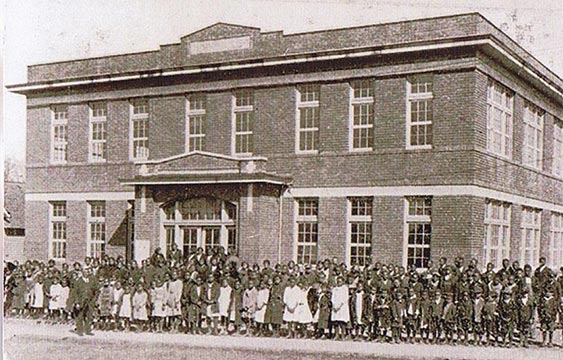
As enrollment increased, Bradley Academy expanded its educational role to accommodate both elementary and secondary students. Its classrooms became a central part of the lives of African American children in Murfreesboro during an era when segregated public education remained the prevailing system.
The academy's influence extended beyond formal instruction. Academic activities, athletics, school gatherings, and community programs helped establish a network of relationships among students, teachers, parents, and alumni. Schools such as Bradley Academy often functioned as social and cultural centers within African American communities, particularly when segregation restricted access to other public institutions.
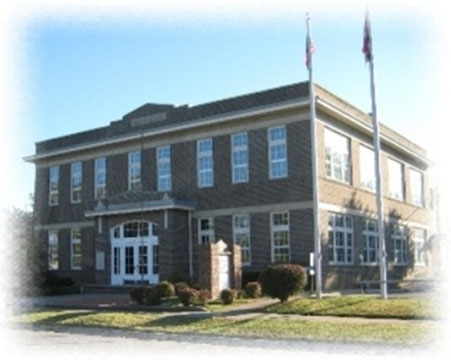
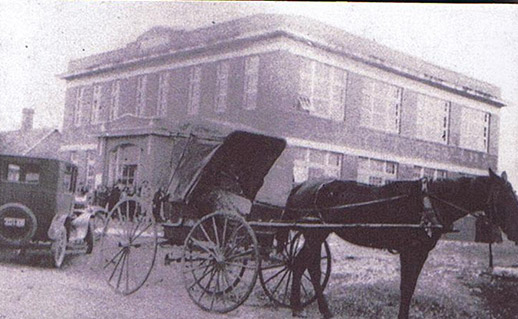
By the early twentieth century, the need for improved educational facilities had become increasingly apparent. The present Bradley Academy building was constructed in 1917 and opened for African American students in 1918. Its design reflected standardized schoolhouse architecture of the period, with classrooms and institutional spaces intended to accommodate the educational needs of a growing population.
The establishment of Holloway High School in 1928 represented another important milestone. Named in connection with educator E. C. Holloway, the new school provided expanded secondary educational opportunities for African American students. With Holloway assuming the high school role, Bradley Academy returned to serving elementary pupils.
The two institutions remained closely connected in the memories of local families. Students often progressed from Bradley Academy to Holloway High School, creating a shared educational heritage that the museum later preserved through photographs, artifacts, memorabilia, and historical exhibitions.
The academy continued to serve African American children during the segregation era, and its educational history extended into the mid-twentieth century. Although its original school function eventually ended, the building remained an important physical reminder of the community's struggles and achievements.
The 1917 Building and Its Architectural Significance
The structure occupied by the Bradley Academy Museum and Cultural Center today is not the original nineteenth-century academy. It is the school building constructed in 1917, which began serving students the following year.
The building is significant because it represents early twentieth-century public-school architecture and the institutional history of segregated education in Tennessee. Its preservation allows visitors to experience a physical environment associated with generations of African American students rather than learning about their experiences exclusively through written accounts.
Bradley Academy was listed on the National Register of Historic Places in 1990, under reference number 90000914. Its recognized historical significance is associated with African American education, particularly during the first half of the twentieth century.
The designation acknowledged the building's importance as an educational landmark and helped reinforce the case for preserving it. While the National Register listing recognizes historical significance, the museum's continued operation depends on maintenance, public support, and the work of the organizations responsible for its programming and preservation.
The restored building also demonstrates how historic school properties can be adapted for contemporary community use. Instead of remaining vacant or being demolished, Bradley Academy became a public facility where historical interpretation, cultural programming, and community gatherings could continue.
Preservation, Restoration, and the Bradley Academy Historical Association
By the late twentieth century, Bradley Academy's future was uncertain. Like many historic school buildings that had outlived their original purpose, it faced the challenges of deterioration, changing community needs, and the financial demands of restoration.
Community preservation efforts began gathering momentum in 1988. In 1990, the Bradley Academy Historical Association was established to help protect the building and preserve its educational legacy. The same year, the property was added to the National Register of Historic Places.
The restoration campaign involved former students, local residents, historians, public officials, nonprofit organizations, and preservation advocates. Among the individuals associated with these efforts were Willie A. McGowan, Fred Beneby, Myrtle G. Lord, and members of the Bradley Academy Historical Association.
The work also received support from organizations and institutions including Middle Tennessee State University's Center for Historic Preservation, the Tennessee Historical Commission, the City of Murfreesboro, the Christy-Houston Foundation, and public funding sources. Former U.S. Representative Bart Gordon was among the public officials associated with the preservation effort.
The museum's historical website acknowledged the contributions of Alan Sheinwald and Ruth Ginsberg. Their assistance included fundraising, publicity, and the cataloging of objects in the museum's displays and storage collections. Such work was essential to transforming a restored school building into an institution capable of preserving and interpreting historical artifacts.
Bradley Academy reopened as a museum and cultural center in 2000. This achievement represented more than the rehabilitation of an aging building. It restored a place of collective memory and created a permanent setting in which the experiences of African American students and educators could be presented to new generations.
The preservation effort also reflected an important principle of community-based historical work: local residents often possess photographs, documents, oral histories, and personal memories that are absent from traditional institutional archives. By collecting and interpreting these materials, Bradley Academy helped preserve a more complete account of Rutherford County's past.
Bradley Academy Museum Exhibitions and Historical Collections
The museum's exhibitions are designed to connect local history with broader developments in American education, slavery, emancipation, the Civil War, and African American cultural achievement. BradleyMuseum.com identified five principal exhibition areas, each exploring a different aspect of the institution's historical mission.
The Underground Railroad Section examined the history of enslaved people seeking freedom and the networks of individuals who assisted them. The Underground Railroad was not a literal railroad but a collection of escape routes, safe locations, and personal relationships that helped freedom seekers travel away from slavery. The exhibit placed these experiences within the larger struggle for emancipation and civil rights.
The Century of Change/Rutherford County History Room explored the region's development over time. Its subjects included early settlement, changing communities, agricultural life, and the economic and social transformations that shaped Rutherford County. By connecting historical events with local photographs and artifacts, the exhibition helped visitors understand how national developments affected everyday life in Middle Tennessee.
The Bradley/Holloway High School Room preserved the history of two educational institutions that served generations of African American students. School photographs, memorabilia, and historical materials documented student life, teachers, extracurricular activities, and the importance of these schools within the community. For former students and their descendants, these collections provided a direct connection to family and educational history.
The Heritage Classroom recreated an earlier educational setting, allowing visitors to visualize the environment in which Bradley Academy students once learned. The exhibit was named in honor of Myrtle G. Lord, a distinguished educator and community leader whose contributions extended well beyond the classroom.
The United States Colored Troops/Civil War Room focused on African American military participation during the Civil War. The United States Colored Troops included Black soldiers who served in the Union Army after federal recruitment policies expanded during the war. Their military service played an important role in the struggle against slavery and helped establish claims to citizenship and equal rights.
The museum's exhibition program has continued to develop beyond these original sections. More recent materials identify the Steve Matthews Art Gallery, Stories from Black Murfreesboro, and an exhibition exploring 250 years of African American experiences. These additions illustrate the museum's continuing effort to connect historical preservation with contemporary cultural interpretation.
Myrtle G. Lord and the Importance of Community Educators
One of the individuals most closely associated with Bradley Academy's educational legacy was Myrtle Glanton Lord, a teacher, civic leader, and preservation advocate whose life reflected the institution's influence on Murfreesboro.
Born in Dilton, Tennessee, Lord attended Bradley Academy and later earned a bachelor's degree from Tennessee A&I College in Nashville. She also pursued studies at the University of Michigan, Fisk University, and Peabody College.
Her professional career included 42 years as a schoolteacher and more than five decades of work connected with recreation and community services. In addition to teaching, she participated in numerous civic and charitable organizations, including Habitat for Humanity, the NAACP, the Rutherford County Teachers Association, and the Bradley Academy Museum.
Lord was particularly involved with the Patterson Community Center, where the Myrtle Glanton Lord Library was named in her honor. Her commitment to public service earned recognition from several organizations, including the Daily News Journal and Murfreesboro City Schools.
On May 3, 2002, she was inducted into the Tennessee Teachers' Hall of Fame. She died on April 16, 2007, leaving a legacy of educational leadership, community involvement, and historical preservation.
The decision to name Bradley Academy's Heritage Classroom in her honor illustrates the museum's emphasis on recognizing educators whose work influenced generations of students. While nationally prominent individuals such as James K. Polk form part of the academy's early history, teachers such as Lord represent the sustained community contributions that gave the institution its enduring significance.
Ownership, Management, and the Role of the City of Murfreesboro
Bradley Academy Museum and Cultural Center is a municipally managed historical and cultural facility. Its present operation falls under the City of Murfreesboro's Parks and Recreation Department, which is responsible for maintaining the building, coordinating programming, managing rentals, and providing public access.
The relationship between the city and the Bradley Academy Historical Association evolved over time. The nonprofit association played a leading role in restoring the building and operating the museum after its reopening. However, the financial and administrative demands of maintaining a historic property eventually required a different arrangement.
In 2015, the City of Murfreesboro and the Bradley Academy Historical Association reached an agreement transferring operational responsibility to the Parks and Recreation Department. Under this arrangement, the city assumed responsibility for management, maintenance, scheduling, and programming, while the association continued to support fundraising, volunteer participation, exhibitions, and special events.
Contemporary reporting indicated that the city's fiscal year 2016 budget included approximately $145,000 for museum operations. Additional renovations approved during the transition included roof work, window repairs, electrical improvements, and other building maintenance.
This partnership combined municipal resources with community-based historical knowledge. The arrangement was intended to provide greater stability for the museum while preserving the association's involvement in promoting African American history and supporting the institution's educational mission.
The 2009 Bicentennial Celebration
One of the most significant events documented on BradleyMuseum.com was the academy's bicentennial celebration in 2009. Organized around the theme A 200 Year Legacy of Excellence, 1809–2009, the celebration recognized the institution's long history and its contributions to Rutherford County.
Rather than limiting the commemoration to a single ceremony, organizers planned a yearlong series of activities highlighting different periods and aspects of Bradley Academy's history. The anniversary offered an opportunity to recognize alumni, educators, preservation advocates, and community members whose lives had been connected to the institution.
Events associated with the bicentennial included exhibitions of African American art and heritage, activities relating to the Underground Railroad, Juneteenth programming, and Project Presidential Way, which acknowledged James K. Polk's connection to the academy.
The bicentennial also encouraged renewed public interest in Bradley Academy's preservation. By emphasizing the school's origins, its transition to African American education, and its eventual restoration as a museum, organizers presented the institution as a symbol of educational change across two centuries.
The anniversary demonstrated how historic institutions can use commemorative events to connect former students and longtime residents with younger audiences who may be unfamiliar with local history.
Cultural Programs, Juneteenth, and Community Events
Bradley Academy is more than a repository of historical artifacts. Its role as a cultural center allows the building and surrounding grounds to serve as gathering places for educational activities, artistic performances, exhibitions, and community celebrations.
One of its most visible annual events is Murfreesboro's Juneteenth celebration. The event commemorates the emancipation of enslaved African Americans and celebrates African American culture, history, and achievement.
The 2026 Juneteenth celebration took place on June 20, with activities extending across several blocks of South Academy Street. Presented by Cultural Arts Murfreesboro, the free public event included live music, dancing, artists, food vendors, children's activities, and opportunities to tour the museum.
Earlier celebrations featured musical groups, dancers, community organizations, historical reenactors, and local performers. The events brought together families, residents, visitors, and cultural organizations in a setting closely connected to the history being commemorated.
Bradley Academy's use as the center of these celebrations is particularly meaningful. A building that once served African American children during segregation now provides a public space for celebrating Black history and cultural expression.
The museum also accommodates smaller cultural programs, art exhibitions, educational presentations, and community meetings. These activities extend its usefulness beyond conventional museum visitation and help maintain its connection with the surrounding neighborhood.
Educational Partnerships and the Bradley Academy Digital Collection
The museum's relationship with Middle Tennessee State University has contributed to its historical research, exhibition development, and archival preservation.
University students and faculty have participated in projects designed to document Bradley Academy's history and make its collections more accessible. One notable collaboration involved graduate students developing an educational exhibition in 2017, using historical photographs and interactive materials to interpret the academy's past.
The Bradley Academy Museum and Cultural Center Digital Collection provides another example of this partnership. Created through Middle Tennessee State University history courses, the online archive includes digitized photographs, artwork, documents, textiles, exhibition materials, and oral histories associated with Bradley Academy and Rutherford County.
Among the materials represented are the Myrtle Lord Oral History and design documents relating to the Century of Change exhibition. The collection also provides access to information about objects featured in the Stories of Black Murfreesboro and Rutherford County exhibition.
Digitization serves several purposes. It helps preserve historical materials, supports academic research, and allows individuals who cannot visit the museum to explore parts of its collections. For descendants of former students and local families, these resources can also provide valuable information about people, institutions, and community events that may not be widely documented elsewhere.
The digital collection complements the physical museum by extending Bradley Academy's educational mission beyond its historic building.
Location, Accessibility, and Nearby Historic Attractions
Bradley Academy Museum and Cultural Center is located at 415 South Academy Street in Murfreesboro, Tennessee, within the city's historic downtown area. Murfreesboro is the county seat of Rutherford County and lies approximately 35 miles southeast of Nashville.
The museum's location makes it accessible to residents of Middle Tennessee as well as travelers exploring the region's Civil War sites, historic neighborhoods, and cultural attractions.
Nearby points of interest include downtown Murfreesboro's Public Square, Cannonsburgh Village, and Stones River National Battlefield. These destinations provide complementary perspectives on the region's development, from early settlement and nineteenth-century community life to the Civil War and its aftermath.
Stones River National Battlefield is especially relevant because of Bradley Academy's historical connection to the Battle of Stones River. Visitors interested in the Civil War can explore the battlefield and then visit Bradley Academy to learn more about the local community and African American experiences associated with the period.
Cannonsburgh Village, another Murfreesboro Parks and Recreation cultural heritage facility, recreates aspects of early Tennessee life through historic-style buildings and exhibits. Together, these attractions offer visitors a broader understanding of Rutherford County's social and cultural history.
The museum's facilities include accessible features, restrooms, parking, meeting spaces, and an auditorium. Its central location also makes it suitable for educational field trips, local history tours, and community events.
Visitor Information, Admission, and Facility Rentals
BradleyMuseum.com historically listed museum hours as Tuesday through Saturday, from 10 a.m. to 4 p.m. However, the City of Murfreesboro's current visitor information reflects a reduced public schedule.
As of October 2026, the museum lists regular public tours on Fridays and Saturdays from 10 a.m. to 4 p.m. It is closed to regular public visitation Sunday through Thursday, although facilities remain available for rentals.
Admission prices are listed as $5 for adults, $3 for seniors and students, and $1 for children ages 12 and under. These relatively modest admission fees help make the museum accessible to families, students, and visitors interested in local history.
The city also offers several spaces for private and community functions. The auditorium and dining area can accommodate up to 100 seated guests, while the theater has a listed capacity of 35 and the boardroom accommodates approximately 30 people.
Available amenities include meeting rooms, a kitchen, chairs, a sound system, restrooms, and parking. These facilities support a variety of uses, including meetings, educational presentations, performances, and community gatherings.
The museum's current city-listed contact number is 615-962-8773. Shayla Mayo is identified as the facility coordinator for Bradley Academy Museum and Visual Arts. Visitors should consult the city's official information before traveling, particularly during holidays or when planning group tours.
Popularity, Visitor Reviews, and Public Reputation
Bradley Academy Museum is a relatively small cultural attraction compared with the larger historic sites in Middle Tennessee, but its specialized collections and community significance have earned favorable responses from visitors.
Tripadvisor has listed the museum with a rating of approximately 4.8 out of 5, based on nine reviews, and ranked it among Murfreesboro's local attractions. Because the review sample is small, these figures are best understood as an indication of favorable visitor experiences rather than a comprehensive measure of attendance or popularity.
Reviewers frequently emphasize the museum's educational value, particularly its presentation of African American history and the development of public education in Rutherford County.
A visitor writing in 2018 praised the reconstructed classroom, exhibits on the United States Colored Troops, and displays of African American art. The reviewer also highlighted the friendliness and knowledge of the museum staff.
Other visitors have commented on the importance of preserving the building as a reminder of segregation and the unequal educational opportunities that existed in Murfreesboro during the twentieth century. These responses suggest that the museum's strongest appeal lies in its ability to connect historical events with recognizable places and personal experiences.
The museum's reputation is therefore based less on large-scale tourism than on its role as a meaningful local heritage institution. Its collections are particularly relevant to history enthusiasts, educators, students, genealogical researchers, former residents, and visitors interested in African American cultural history.
Press Coverage and Media Recognition
Bradley Academy has received coverage from local newspapers, historical organizations, university publications, and community media outlets. Much of this attention has focused on preservation efforts, educational programming, and the museum's role in documenting African American history.
The Daily News Journal and The Tennessean reported on the restoration campaign and the work of community advocates who helped save the building. Their coverage documented the contributions of preservation supporters and public officials involved in restoring the property.
The Rutherford County Tennessee Historical Society has preserved articles about the academy's bicentennial celebration and the transition of museum operations to the City of Murfreesboro. These accounts provide useful documentation of the institution's changing organizational structure and continued public importance.
Middle Tennessee State University has also published coverage of student projects and exhibition development at the museum. A 2017 university news article highlighted the contributions of graduate students who developed educational materials interpreting Bradley Academy's history.
Local media coverage has continued through the museum's cultural programming. Main Street Murfreesboro publicized the 2024 Juneteenth celebration, while WGNS Radio reported on the 2026 event and its combination of historical tours, live entertainment, food, and community participation.
The City of Murfreesboro has also produced a documentary about Bradley Academy Museum and Cultural Center through its CityTV operation. This approximately hour-long production provides another resource for individuals interested in the institution's history and preservation.
These examples demonstrate that Bradley Academy remains an active subject of local historical and cultural reporting rather than simply a preserved building from the past.
Historical Recognition, Awards, and Institutional Achievements
Bradley Academy's most significant formal recognition is its 1990 listing on the National Register of Historic Places. The designation identifies the building as an important historic resource associated with African American education in Tennessee.
The museum's preservation and reopening in 2000 also represent major institutional achievements. Restoring a historic school building requires substantial funding, specialized expertise, public support, and long-term maintenance commitments. The successful conversion of Bradley Academy into a museum and cultural center demonstrated the effectiveness of cooperation among local government, nonprofit organizations, educational institutions, and community volunteers.
The academy's bicentennial celebration in 2009 provided another milestone, recognizing two centuries of educational history. The event highlighted the institution's unusual historical trajectory, from its early association with prominent political figures to its later role as a cornerstone of African American education.
Individual educators connected to Bradley Academy have also received honors. Myrtle G. Lord's induction into the Tennessee Teachers' Hall of Fame in 2002 is one example of recognition extending from the academy's educational legacy.
Although no comprehensive record of competitive museum awards was identified, the institution's historic designation, preservation accomplishments, educational partnerships, and continued public programming demonstrate its recognized importance within Rutherford County.
BradleyMuseum.com as a Historical Website
BradleyMuseum.com functioned as an informational and promotional resource for the museum during an earlier period of its operation. Its pages presented the history of Bradley Academy, introduced the principal exhibition rooms, recognized preservation supporters, and encouraged public involvement.
The website's content was organized around the institution's educational heritage and the work of the Bradley Academy Historical Association. It included historical photographs, information about prominent alumni, descriptions of museum displays, visitor details, and announcements relating to the academy's bicentennial celebration.
A particularly important feature was its emphasis on the people who contributed to the museum's survival. Rather than presenting the institution solely as an architectural landmark, the site documented the efforts of volunteers, former students, educators, and supporters who helped restore the building and develop its collections.
The website also provided information about the Friends of Bradley Academy Museum, reflecting the importance of fundraising, volunteer assistance, and community participation in sustaining the institution.
Today, BradleyMuseum.com presents material from the museum's earlier website, making it useful as a historical reference. However, it should be distinguished from the City of Murfreesboro's current official museum pages, which provide updated information about operating hours, facility management, rentals, and public programs.
This distinction is particularly important because the museum's schedule and administrative arrangements have changed since the original website content was produced.
The Cultural and Social Significance of Bradley Academy
Bradley Academy's importance extends beyond the history of a single school. Its story reflects major changes in American society, including the expansion of public education, the abolition of slavery, the development of segregated school systems, and the long struggle for educational equality.
The institution's transition from an academy serving white male students to a school serving African American children illustrates how access to education changed over time. At the same time, its history demonstrates that educational opportunity was not distributed equally and that Black communities often had to overcome substantial barriers to secure adequate schools and resources.
For African American families in Murfreesboro, Bradley Academy became a place where children received instruction, developed friendships, participated in school activities, and prepared for adult life. Teachers and administrators helped create an environment in which education could support community advancement despite the restrictions imposed by segregation.
The preservation of the building has allowed these experiences to remain visible within the city's historical landscape. Instead of losing an important community landmark, Murfreesboro retained a physical setting where former students, descendants, and visitors can explore the history of African American education.
The museum also contributes to a more inclusive understanding of local history. Traditional accounts of Rutherford County often emphasize settlement, political leadership, military events, and economic development. Bradley Academy adds the experiences of Black educators, students, families, soldiers, and civic leaders to that narrative.
Its continued use for Juneteenth celebrations, art exhibitions, and community gatherings demonstrates how historic preservation can support contemporary cultural life. The building serves simultaneously as a reminder of past inequalities and a setting for education, remembrance, and shared community experiences.
The Continuing Legacy of Bradley Academy Museum and Cultural Center
Bradley Academy Museum and Cultural Center represents more than two centuries of educational and social change in Rutherford County. From its origins as an early nineteenth-century academy to its central role in African American education and its eventual restoration as a museum, the institution has repeatedly adapted to meet changing community needs.
Its history includes nationally significant political figures, the upheaval of the Civil War, the expansion of educational opportunities after emancipation, the development of segregated public schools, and the determination of local residents to preserve an important landmark.
The museum's collections and programs give these historical developments a human dimension. Photographs, classroom artifacts, school memorabilia, oral histories, and personal accounts help visitors understand how broader events affected the lives of students, teachers, and families in Murfreesboro.
BradleyMuseum.com preserves an important record of the museum's earlier public presentation, including its bicentennial celebration and the contributions of individuals involved in restoring the historic building. Although current visitor information is maintained through the City of Murfreesboro, the older website remains useful for understanding how the museum documented and communicated its history.
Through its exhibitions, educational partnerships, community events, and ongoing preservation efforts, Bradley Academy continues to honor the generations who passed through its classrooms. Its lasting significance lies in preserving not only the history of an institution but also the experiences of a community whose pursuit of education helped shape the cultural identity of Murfreesboro and Rutherford County.